


Emergency Gastrotomy vs. Enterotomy in Grasonville: How Vets Remove Swallowed Objects from Your Pet's Gut
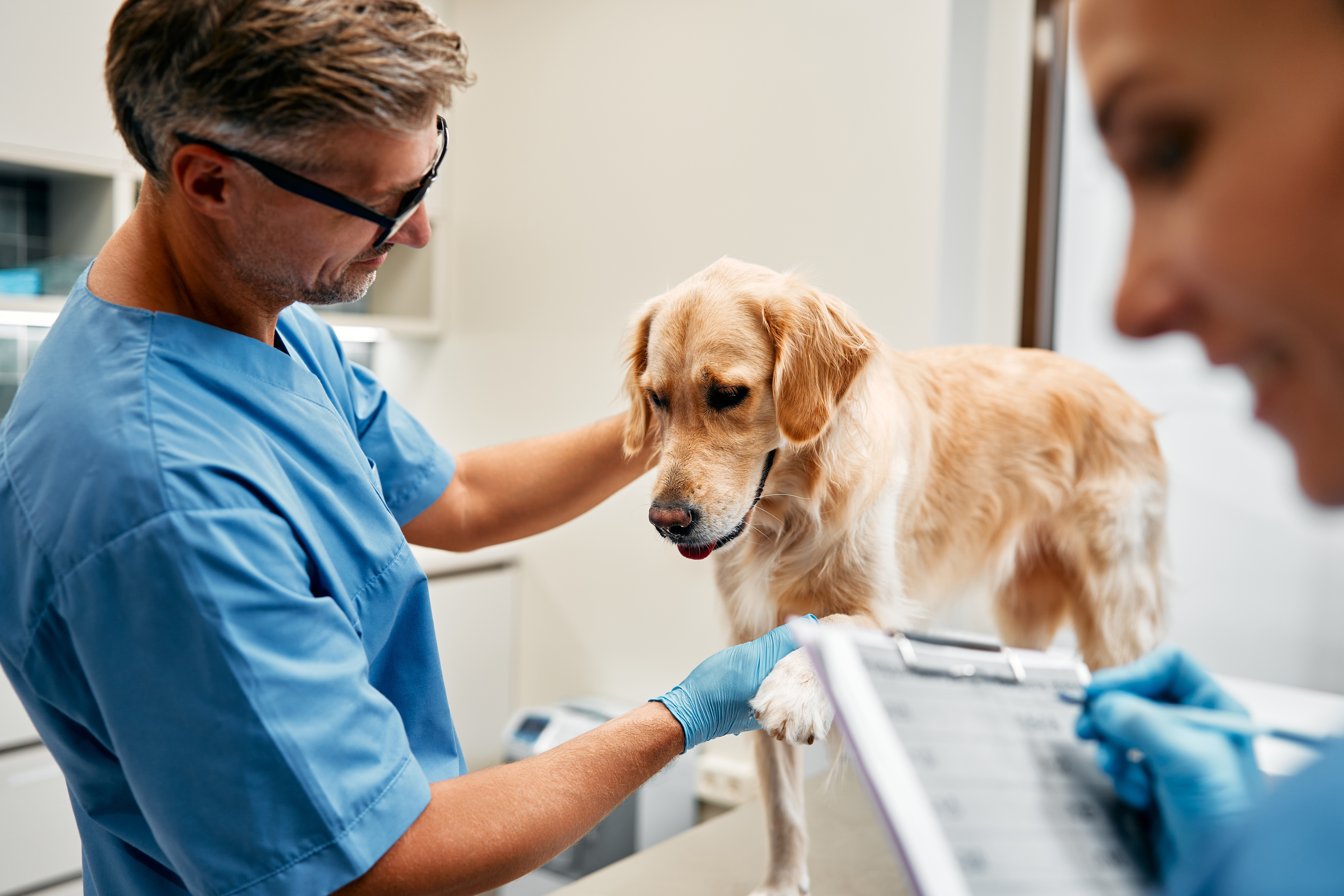
Dogs and cats can swallow objects faster than owners realize. Toys, bones, fabric, string, socks, and other items may become trapped in the stomach or intestines, creating a gastrointestinal obstruction that can quickly become serious. When an object cannot safely pass or be removed another way, surgery may be necessary.
At Shore Pet Surgery in Grasonville, our practice is dedicated to veterinary surgery and performs foreign body procedures among our soft tissue surgical services. Depending on where the swallowed object is located, the procedure may involve a gastrotomy, enterotomy, or a more extensive intestinal repair.
What Happens When a Pet Swallows a Foreign Object?
Some small, smooth objects may move through the gastrointestinal tract without intervention, but others become lodged. A blockage prevents food, fluid, and gas from moving normally and can place increasing pressure on the stomach or intestines.
Untreated gastrointestinal obstruction can lead to dehydration, electrolyte abnormalities, intestinal tissue damage, perforation, infection, and shock. For that reason, a suspected obstruction requires prompt veterinary evaluation.
Warning signs may include:
- Repeated vomiting or retching
- Refusing food or losing interest in meals
- Abdominal pain or tenderness
- Lethargy or unusual weakness
- Diarrhea or reduced bowel movements
- A known history of swallowing a toy, string, fabric, bone, or another object
Symptoms vary depending on where the blockage is located and whether it is partial or complete.
What Is a Gastrotomy?
A gastrotomy is a surgical procedure in which the veterinarian makes an incision into the stomach to remove a foreign object. It may be appropriate when imaging or surgical exploration confirms that the object is still located within the stomach and cannot be safely removed through other means.
Some stomach foreign bodies can be retrieved using endoscopy, but surgery may be necessary when endoscopic removal is unsuccessful, unavailable, or inappropriate for the type or location of the object.
Once the object is removed, the stomach incision is carefully closed and the pet is monitored during recovery.
What Is an Enterotomy?
An enterotomy involves making an incision into the intestine rather than the stomach. This procedure is commonly used when a foreign body has moved beyond the stomach and become lodged in the intestinal tract.
During surgery, the veterinarian evaluates the entire affected area and determines whether the intestinal tissue remains healthy. If the intestine is viable, an enterotomy may allow the object to be removed through a controlled incision.
If the obstruction has damaged the intestinal wall severely or caused tissue death or perforation, simply removing the object may not be enough. The damaged section may need to be removed, followed by an intestinal resection and anastomosis, which reconnects the healthy portions of the bowel.
Why Location and Timing Determine the Surgery
Gastrotomy and enterotomy are not competing procedures. The correct approach depends primarily on where the foreign object is located and what condition the gastrointestinal tissue is in when surgery begins.
A toy sitting in the stomach may require a gastrotomy, while an object lodged farther along the small intestine may require an enterotomy. Linear foreign bodies such as string can be particularly dangerous because they may extend through multiple areas and injure the intestinal wall. Never pull visible string from a pet's mouth without veterinary guidance because doing so can worsen internal injuries.
Fast Treatment Can Protect the Gut
The longer a complete obstruction remains in place, the greater the concern for dehydration and damage to the gastrointestinal tissues. Diagnostic imaging, examination findings, symptoms, and the object's location help determine whether monitoring, endoscopic retrieval, or surgery is the appropriate next step.
If your pet has swallowed an object and needs surgical treatment, contact Shore Pet Surgery at 125 Pullman Crossing, Suite 101, Grasonville, MD 21638, or call (410) 827-6464 to discuss foreign body surgery and the appropriate next step for your pet.


QUESTIONS?
Contact Us
Our Services
Contact Info
Hours of Operation
- Monday 8:15 AM - 5:30 PM
- Tuesday 8:15 AM - 5:30 PM
- Wednesday 8:15 AM - 5:30 PM
- Thursday 8:15 AM - 5:30 PM
- Friday CLOSED
- Saturday CLOSED
- Sunday CLOSED
© 2026 Shore Pet Surgery. All rights Reserved. Accessibility Statement - Privacy Policy - Sitemap
Powered by:
